

Why insulin sensitivity shifts during the day
Insulin sensitivity is not static. Many people with type 1 diabetes notice higher glucose in early morning and easier correction in late afternoon. This pattern is influenced by circadian hormones, sleep quality, activity, and meal composition.
Common pattern: dawn phenomenon
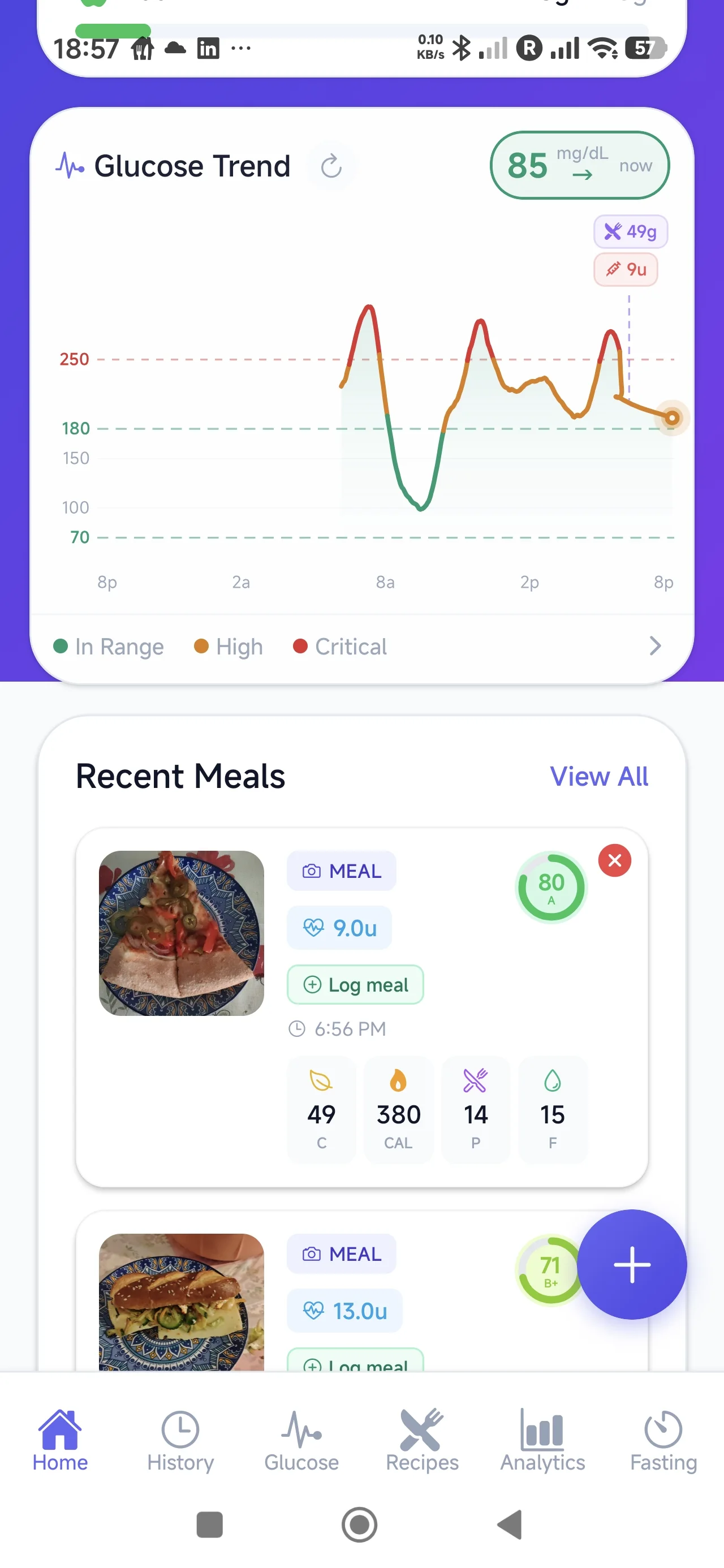
Before waking, cortisol and growth hormone can increase hepatic glucose output. That can make the same basal settings insufficient from around 4:00 to 9:00 AM.
Practical adjustment framework
- Review 7-14 days of CGM trends by time block.
- Split the day into 3-4 sensitivity windows.
- Adjust correction factor gradually (5-10%) per window.
- Re-check hypoglycemia risk after each change.
Safety notes
Use clinician guidance before major insulin changes, especially if you have frequent lows, pregnancy, or recent illness.
GlucIQ tip: keep a simple log of wake time, first meal, activity, and correction outcomes for one week before changing settings.